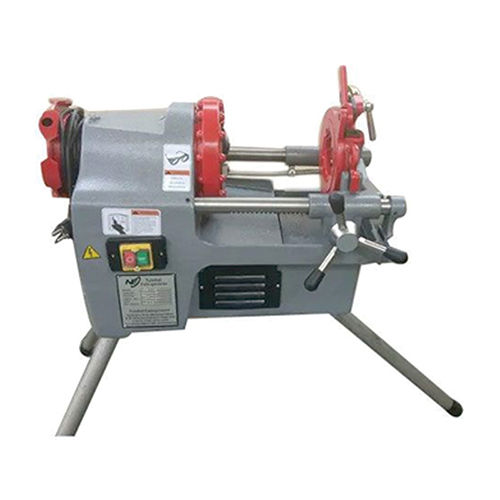
NEPT52 Portable Pipe And Bar Threading Machine About
Product Specification
|
Machine Size in pipe
|
Pipe Threading 1/2" to 3"
|
|
Machine Size in Bar
|
M10-M52
|
|
DIES
|
1/2"-3/4" , 1"-2"& 2,1/2" - 3" universal dies set for Pipe Threading. (BSPT/NPT)
M10, M12, M14-M16, M18-M22, M24-M27, M30-M33, M36-M39, M42-M45, M48-M52, for Bar threading (BSW)
|
|
Spindle Speed
|
25/50
(Two Speeds)
|
|
Power Supply
|
220V/ 380V
|
|
Motor Power
|
1500W (Single Phase/3 Phase)
|
|
Oiling System
|
Through die head, with integral oil reservoir
|
|
Pump
|
Self-priming constant flow
|
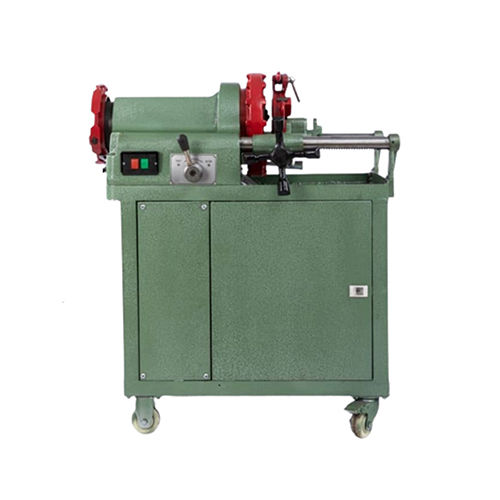
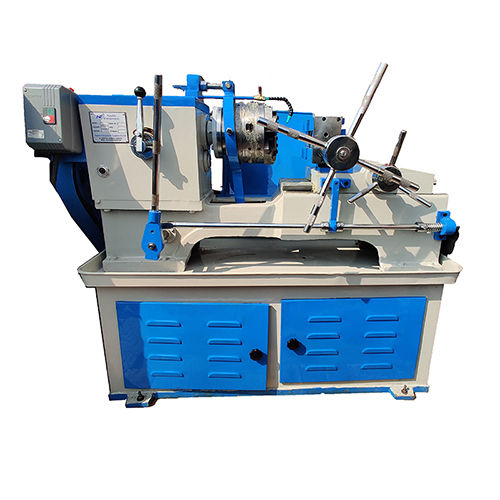
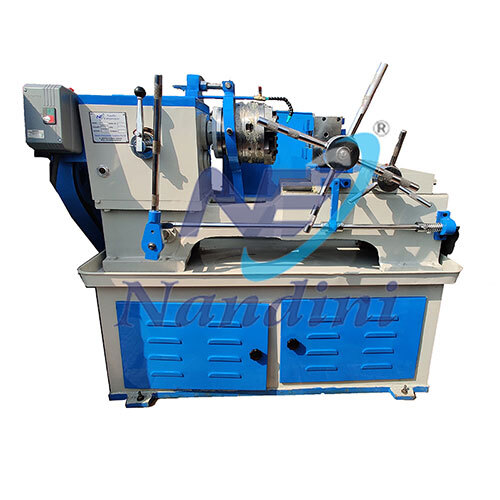
Efficient Threading for Steel Pipes and BarsThe NEPT52 delivers high-precision threading for steel pipes and bars, supporting thread sizes from 1/2 inch to 2 inches in both BSPT and NPT standards. Its advanced automatic die head and durable high-speed steel threading dies ensure both accuracy and speed, even with repeated use in challenging work environments.
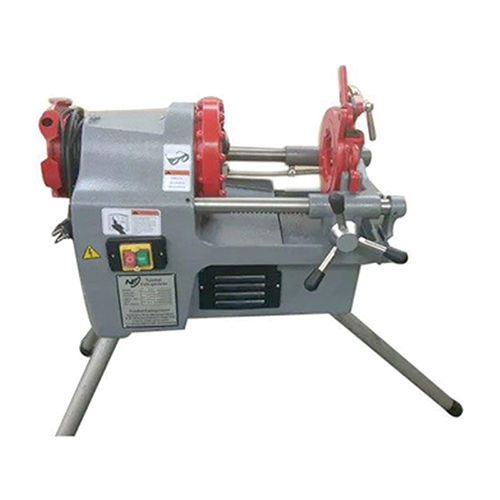
Portable Design Meets Industrial PowerDespite its heavy-duty capabilities, the NEPT52 remains portable at 75 kg and features a compact footprint. The integrated support stand and ergonomic design facilitate on-site and workshop use. With a 750W (1HP) motor, it accommodates demanding tasks while ensuring operational flexibility and ease of transport.
Complete Accessory Kit for Seamless OperationEach NEPT52 comes with essential accessories, including die heads, threading dies, a sturdy support stand, an oil can, and an integrated coolant system. This comprehensive kit ensures users have everything needed to maintain workflow efficiency and extend machine lifespan, minimizing downtime and enhancing productivity.
FAQ's of NEPT52 Portable Pipe And Bar Threading Machine:
Q: How does the NEPT52 threading machine operate for threading steel pipes and bars?
A: The NEPT52 uses a powerful 750W motor and an automatic die head to thread steel pipes and bars ranging from 1/2 inch to 2 inches. Users simply mount the pipe or bar onto the support stand, select the appropriate die head, and engage the threading operation. The integrated coolant system helps manage heat, and a reverse/forward switch enables easy operation.
Q: What types of threading standards does the NEPT52 support?
A: The NEPT52 supports both BSPT (British Standard Pipe Taper) and NPT (National Pipe Taper) threading standards, making it suitable for a wide variety of regional and international applications in plumbing, construction, and fabrication.
Q: When is it most beneficial to use the NEPT52 machine?
A: The NEPT52 is especially beneficial when high-precision threading is required on-site or in the workshop, particularly for construction, plumbing, and fabrication projects involving steel pipes and bars within the 1/2 to 2 inch range.
Q: Where can the NEPT52 machine be used effectively?
A: Thanks to its portability and robust design, the NEPT52 can be used on construction sites, in industrial workshops, plumbing maintenance areas, and fabrication facilities across different voltage settings (220V/110V). Its support stand and manageable size make it versatile for various work environments.
Q: What process do you follow to change the threading dies on this machine?
A: To change the threading dies, turn off and disconnect the machine from the power source, release the self-opening die head, remove the current dies, insert the new high-speed steel dies, and secure them in place. Always follow safety guidelines and refer to the manufacturer's instructions provided in the accessory kit.
Q: What are the main benefits of using the NEPT52 over manual threading methods?
A: The NEPT52 offers precision, speed, and uniformity in threading, reducing manual effort and operator fatigue. Its automatic die head and coolant integration minimize errors, enhance thread quality, and help maintain the tool's lifespan even under rigorous use.
Q: How does the integrated coolant system contribute to the machine's performance?
A: The integrated coolant system helps reduce heat build-up during threading, which protects both the dies and pipe material. This leads to cleaner threads, less wear on machine components, and extended die life, optimizing both productivity and maintenance costs.



 Chat with us




 Send Inquiry

 Send Inquiry


 Send Inquiry
 Send SMS


